
Choosing the right platform to host your business website
- Jan 3, 2024
- 2 min read
Updated: Jan 6, 2024
Choosing the right platform to host your business website involves considering various factors such as your technical expertise, website requirements, scalability, budget, and future growth plans.
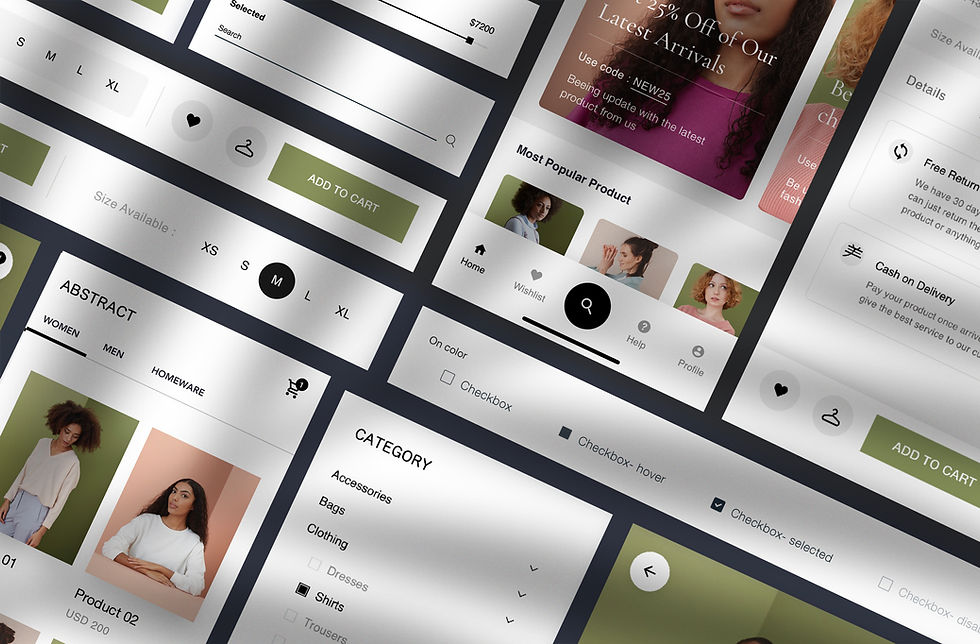
Here's a quick guide to help you decide:
Define Your Website Needs: Determine the purpose of your website (e.g., e-commerce, portfolio, blog), expected traffic volume, features required (e.g., online store, booking system), and scalability needs.
Consider Ease of Use: If you're not tech-savvy, consider user-friendly platforms with intuitive interfaces. Some platforms like Wix, Squarespace, or Shopify offer drag-and-drop builders that are easy for beginners.
Scalability and Flexibility: Assess if the platform can accommodate your growth. For instance, if you anticipate rapid expansion or changes in functionality, consider platforms like WordPress.org (self-hosted), which offer more flexibility and customization options.
Budget: Evaluate your budget for hosting and maintenance. Some platforms are cost-effective initially but might have higher costs as your website scales. Factor in costs for hosting, domain registration, plugins/extensions, and any transaction fees for e-commerce.
SEO and Marketing Tools: Consider platforms that offer good SEO features, integration with marketing tools, and analytics capabilities. This is crucial for visibility and understanding your audience.
Security: Ensure the platform provides robust security features and regular updates to protect your website from potential threats. Platforms with SSL certificates, regular backups, and security plugins can be beneficial.
E-commerce Capabilities: If you're running an online store, choose platforms like Shopify, WooCommerce (WordPress plugin), or BigCommerce that offer comprehensive e-commerce features, payment gateways, and inventory management.
Mobile Responsiveness: With the increasing use of mobile devices, opt for platforms that offer mobile-responsive designs to ensure your website looks good and functions well on smartphones and tablets.
Customer Support: Check the availability and quality of customer support provided by the platform. Responsive and reliable support can be crucial when troubleshooting issues or seeking assistance.
Community and Resources: Platforms with active user communities, forums, and extensive documentation can be advantageous. These resources can be valuable for troubleshooting, learning, and getting advice from other users.
Reviews and Recommendations: Research and read reviews or seek recommendations from businesses similar to yours. This can provide insights into others' experiences and help you make an informed decision.
Remember, there is no one-size-fits-all solution. The best platform for your business website depends on your unique requirements, expertise, and long-term goals.
Evaluate these factors carefully before making a decision to ensure you choose a platform that aligns with your business needs and allows for future growth and adaptability.


Comments